Skip to content
Prof. Dr. Ali Avanoğlu
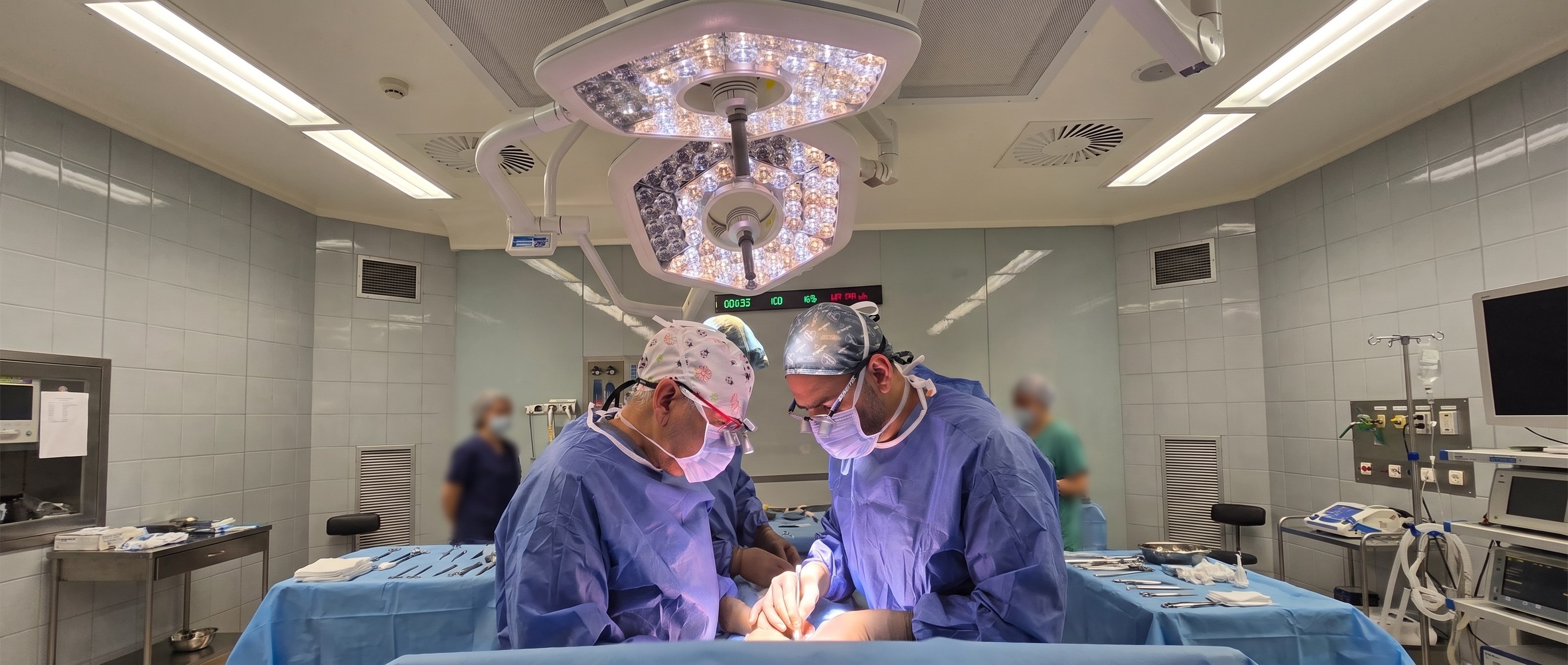
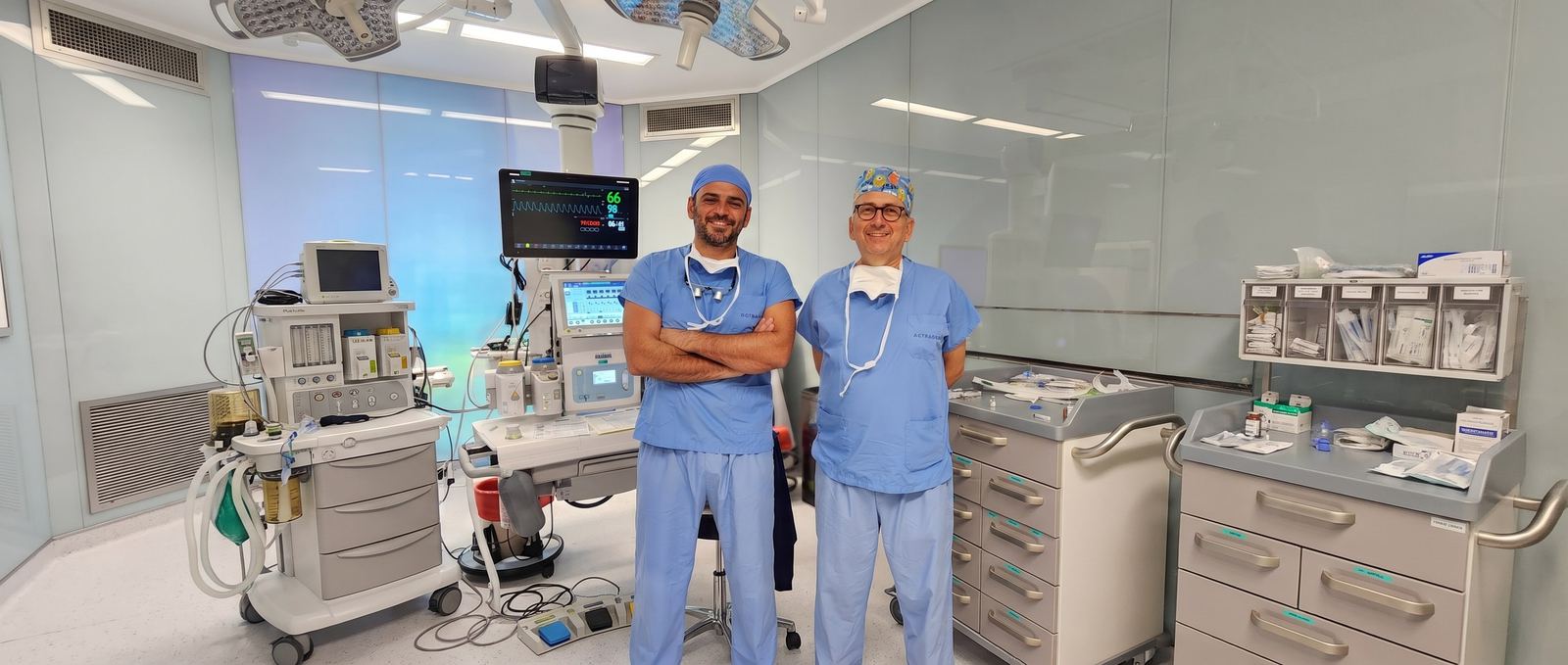
Prof. Dr. Ali Avanoğlu and Doç. Dr. Yaşar Issı, pediatric urology surgeons in Turkey, in the operating room
Pediatric Urology • Izmir, Turkey

Pediatric urology, two specialists, one plan

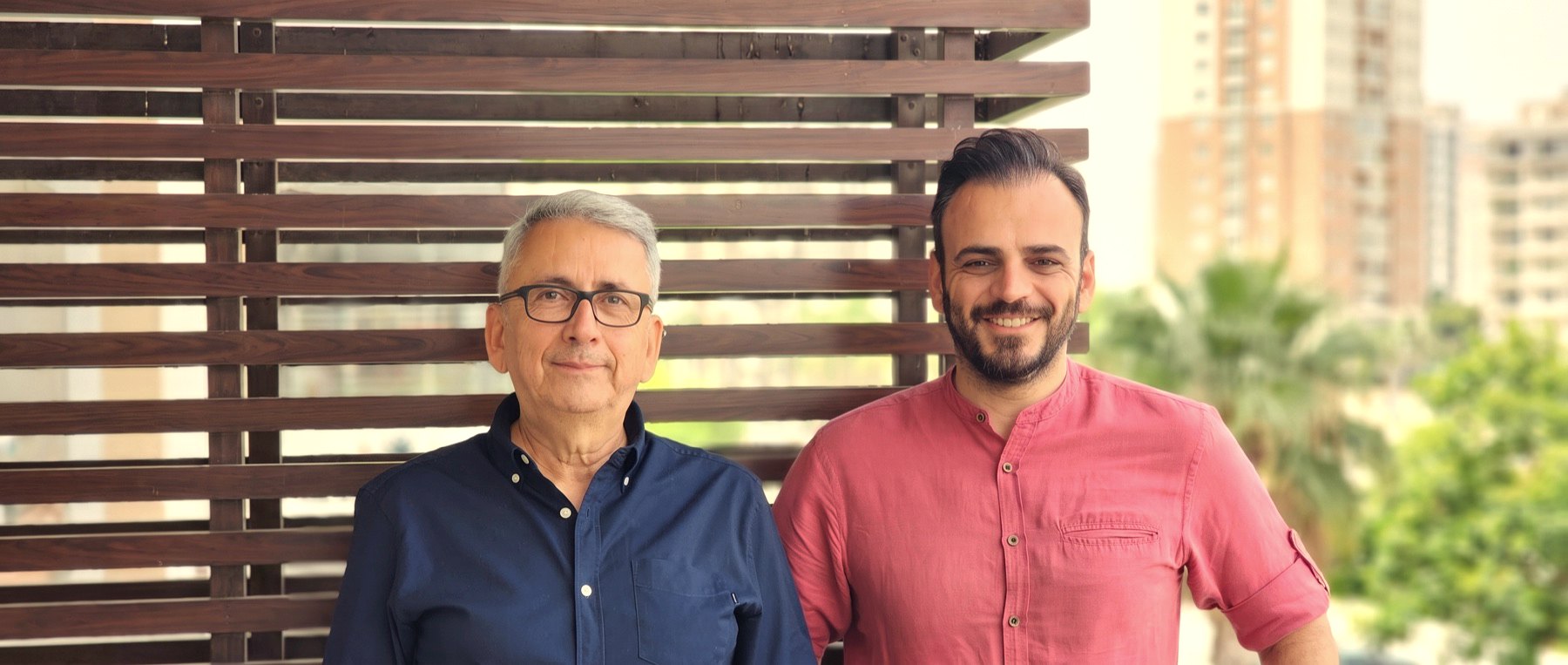
Prof. Dr. Ali Avanoğlu and Doç. Dr. Yaşar Issı are two pediatric urology specialists who work together from diagnosis to follow-up on hypospadias, undescended testicle, vesicoureteral reflux (VUR), and UPJ obstruction. Every decision is made through their shared assessment.

Video • Hypospadias, Two Surgeons

Hypospadias, Two Surgeons

Prof. Dr. Ali Avanoğlu and Doç. Dr. Yaşar Issı: why do two specialists work together in the same operation?

Treatments • Four condition hubs

Treatments

Congenital difference

Hypospadias

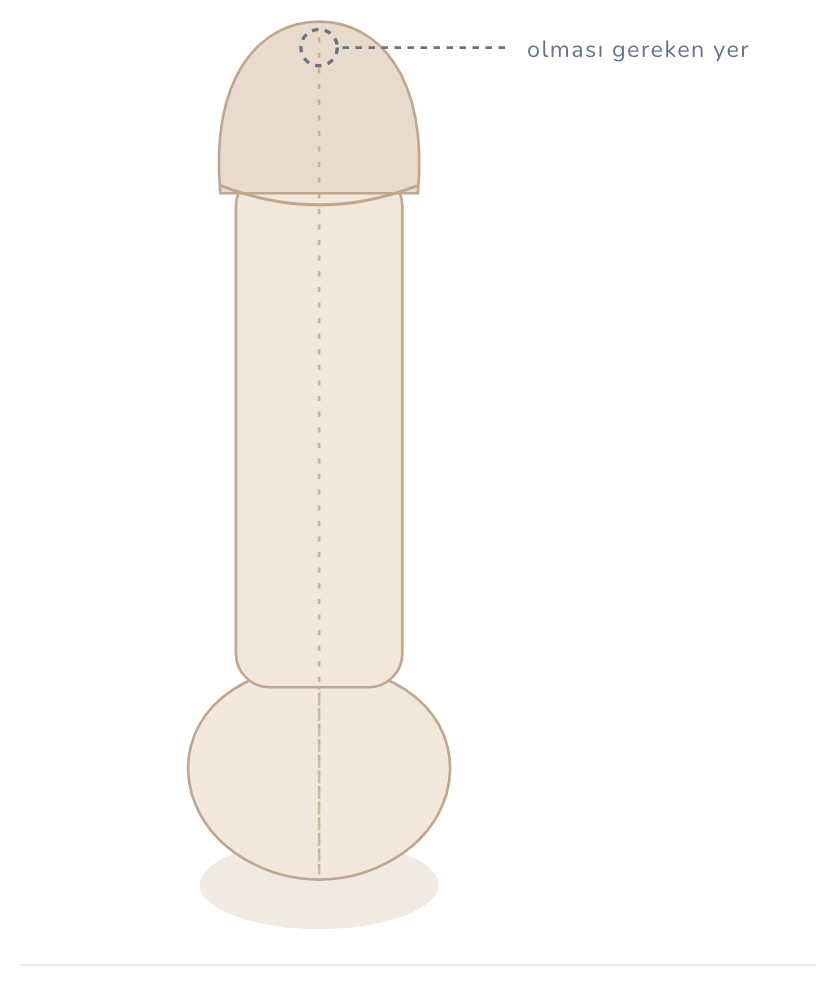
Hypospadias is a congenital difference in which the urinary opening forms lower on the underside of the penis instead of at the tip. Treatment is not a single named operation — the technique and the number of stages depend on where the opening is, how much curvature is present, and the condition of the tissue.

Hypospadias hub
Videos • 3 featuredAll videos (19) →
Cryptorchidism

Undescended Testicle

An undescended testicle is one that has not descended into the scrotum at birth, or that does not remain there afterward. It is one of the most common congenital urological differences in baby boys.

Undescended Testicle hub
Roadmap • Interactive tool

Answer a few questions; we'll point you to the section that fits.
Start the Roadmap ≈2 minutes • For information only
Videos • 3 featuredAll videos (15) →
Vesicoureteral reflux (VUR)

Vesicoureteral Reflux (VUR)

Vesicoureteral reflux (VUR) is the backward flow of urine from the bladder up through the ureter toward the kidney, during voiding or as the bladder fills. In children, it is most often discovered after a febrile urinary tract infection, or while investigating kidney enlargement found before birth.

Vesicoureteral Reflux (VUR) hub
Roadmap • Interactive tool

Answer a few questions; we'll point you to the section that fits.

Start the Roadmap ≈2 minutes • For information only
Videos • 3 featuredAll videos (14) →
Hydronephrosis

UPJ Obstruction

UPJ obstruction (ureteropelvic junction obstruction; informally, kidney outlet narrowing) is a slowing of urine drainage from the kidney caused by a narrowing at the point where the renal pelvis opens into the ureter. In infants and children, it's most often noticed while investigating hydronephrosis (kidney swelling) seen on a prenatal or post-birth ultrasound; but not every case of hydronephrosis is UPJ obstruction, and a significant share resolves on its own.

UPJ Obstruction hub
Roadmap • Interactive tool

Answer a few questions; we'll point you to the section that fits.

Start the Roadmap ≈2 minutes • For information only
Videos • 3 featuredAll videos (3) →
Our surgeons · two specialists, one team

One operation, two surgeons

Two pediatric urology specialists work together on every operation: one performs the repair while the other assists, checks, and takes over when needed. This built-in second opinion completes demanding operations with less risk.

  • Lower risk

    A shared assessment and four-handed technique; a second experienced pair of eyes at the demanding steps.

  • Shorter surgery

    Working in parallel shortens the time spent under anesthesia.

  • Less anesthesia

    Infants and young children spend less time under anesthesia.

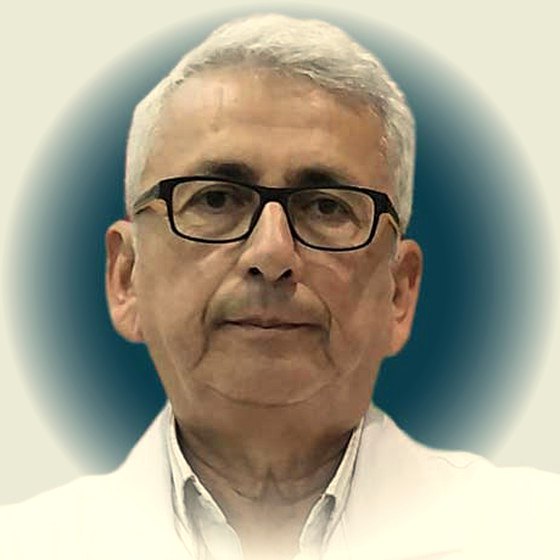
Prof. Dr. Ali Avanoğlu — hypospadias surgeon, Turkey

Prof. Dr. Ali Avanoğlu

Pediatric Surgeon and Pediatric Urologist

Over forty years in medicine, thirty-two of them as a pediatric surgeon; focused exclusively on pediatric urology since 1994. Associate professor in 1996 and full professor in 2002 at Ege University, where he chaired both the Department of Pediatric Surgery and the Division of Pediatric Urology. Roughly 3,000 hypospadias repairs and more than 1,000 operations for vesicoureteral reflux.

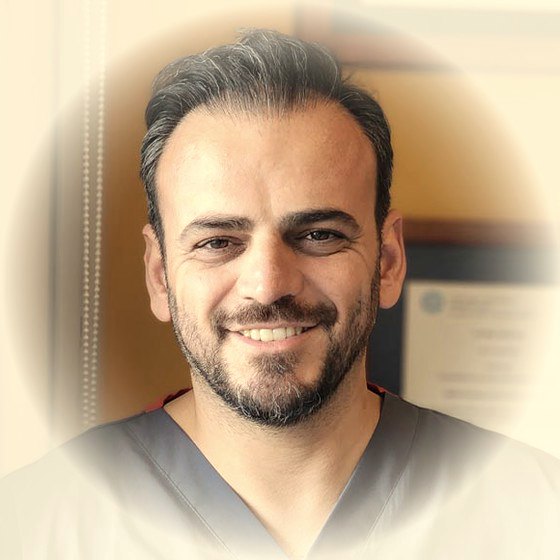
Doç. Dr. Yaşar Issı — hypospadias surgeon, Turkey

Doç. Dr. Yaşar Issı

Pediatric and Adult Urologist

Graduate of Ege University Faculty of Medicine (2006); completed urology training at İzmir Atatürk Training and Research Hospital (2011) and a pediatric urology fellowship at Ondokuz May University (2016); associate professor since 2022. Has worked at Gaziantep Children's Hospital, İzmir Çiğli Training and Research Hospital, and Bakırçay University. More than 1,000 hypospadias repairs and a comparable number of stone operations; continues the same patients' follow-up from childhood through adolescence and adulthood, in the same team.

Why together?

What operating together means for your child

In every operation, it is not a surgeon and an assisting resident — it is two specialists who both know the procedure, working together. We summarize the difference in four points.

Difference 01

Critical decisions are made together

Which technique to use, whether the repair will finish in one session, and how to respond to anything unexpected during surgery are decided by two specialists' shared assessment — never by one person alone.

Shared decision
Two pediatric urology surgeons
Together, in the same team, every time
Two hypospadias surgeons operating together
Difference 02

Shorter time under anesthesia

While one surgeon finishes a step, the other prepares the next; four hands work at once. In an infant or young child, every extra minute under anesthesia is a risk in its own right.

Two hands, at the same time
Difference 03 Related conditions, same session
1×

One anesthesia: conditions found together (undescended testis, inguinal hernia, hydrocele, hydronephrosis) are planned into the same session.

Get in touch
Difference 04 — Follow-up never breaks off

Some issues only surface during adolescence or adulthood. Because the team includes both pediatric and adult urology, follow-up never breaks off between childhood and adulthood.

Pediatric urology
Adult urology
Same team, same record
Process · for patients travelling from abroad too

Travelling to Turkey for treatment?

Surgery takes place at İzmir Acıbadem Kent Hospital; our clinic is about 4–5 km from the hospital, with a range of accommodation options nearby. The process runs in coordination between the clinic and the hospital, from your first consultation through to the completion of post-operative checks.

Clinic Hospital İzmir Acıbadem Kent Hospital · about 4–5 km.
  1. 01 Clinic
    Pre-treatment review with two pediatric urology surgeons — family on a video call from home

    Consultation and surgical planning

    Patients are first assessed at our clinic; surgical planning is done here.

    Avanoğlu–Issı Clinic

  2. 02 Hospital
    Prof. Dr. Ali Avanoğlu and Doç. Dr. Yaşar Issı, hypospadias surgeons in İzmir, Turkey

    Pre-operative tests and anesthesia review

    One day before surgery, you are referred to İzmir Acıbadem Kent Hospital for the required tests and anesthesia assessment.

    One day before surgery

  3. 03 Hospital
    Two pediatric urology surgeons' treatment process — family arriving at the hospital

    Surgery

    The operation takes place the next day, as planned. In suitable cases, it is completed as day surgery.

    İzmir Acıbadem Kent Hospital

  4. 04 Clinic
    Two pediatric urology surgeons' treatment process — remote follow-up after surgery, mother on a video call from home

    Recovery after discharge

    After the observation period, patients who meet discharge criteria continue recovering at home or at their accommodation. Dressing changes, wound checks, and catheter checks and removal continue at our clinic.

    Avanoğlu–Issı Clinic

Frequently asked by families

What families travelling from abroad ask first

Short answers are below; write to us directly with any question about your trip.

Let's plan your trip together
  • İzmir, Turkey
  • Two pediatric urology specialists
  • Same team from diagnosis to follow-up
Where do the operations take place?
Surgery takes place at İzmir Acıbadem Kent Hospital. Our clinic is about 4–5 km from the hospital, with a range of accommodation options nearby.
How does the process work, from consultation to surgery?
You are first assessed at our clinic, where the surgical plan is made. One day before surgery you are referred to the hospital for the required tests and anesthesia review; the operation itself takes place the following day, as planned.
Do we stay in hospital after surgery?
A significant share of our operations, when suitable, are completed as day surgery. Patients who meet discharge criteria continue recovering, after the observation period, in the more comfortable setting of your home or accommodation.
How are post-discharge checks handled?
Follow-up steps such as dressing changes, wound checks, and catheter checks and removal continue to take place at our clinic. That way, the entire process — from the first consultation through to the completion of follow-up — runs in coordination between the clinic and the hospital.
Gomauna Web Design and Development gomauna.com Prof. Dr. Ali Avanoğlu | 2026 © All Rights Reserved.